
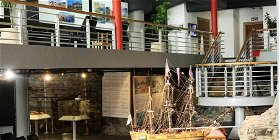
Time Travel to the 18th Century...
Explore the history of Cape Town below sea-level on the original shoreline buried for 300 years. Models, detailed displays, exhibits and large graphic information boards.
More Information
Host your next event here...
Split Level Indoor Outdoor with red carpet access for VIP drop off at the door, this exquisite venue is suited for small exclusive or black tie events.
Book a site visit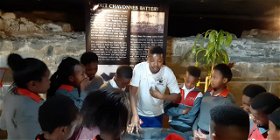
Waterfront Experience for Schools...
Learners get to spend the day at the V&A Waterfront with activities in the Museum and international Photo Exhibition, see the Noon Gun smoke and a Harbor Seal Boat Ride.
Make a Booking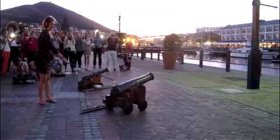
Muzzle Loaded Cannon firing...
Under supervision of the Cannon Association of SA, you can fire an authentic 18th Century Muzzle Loaded Cannon.
Try something different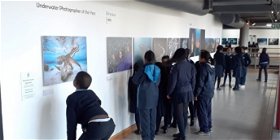
International Photo Exhibitions...
Enjoy a robust schedule of thought provoking images, with reviews, interviews and artist statements.
Explore the exhibitionAttracting the curious,
(Local and International visitors),
Engaging the imagination,
(Early History of Cape Town 1600-1900),
Igniting the narrative,
(The stories of the people and events),
Fostering a new generation of storytellers,
(entrepreneurs, youth development and job creation).


Share This Page